Source customized lychee longan fruit pitter for juice, processing, and canning
Compare 30 customized lychee longan fruit pitter options from verified suppliers. These machines feature stainless steel construction, PLC control, and capacities up to 500kg/h for efficient fruit processing; compare the available evidence and request quotations based on your requirements.
Key considerations
Products List





Comprehensive Sourcing Guide
Customized Lychee Longan Fruit Pitter Sourcing Guide
Sourcing specialized fruit processing equipment requires a clear understanding of the mechanical differences between general-purpose pitters and machines designed for delicate, thin-skinned tropical fruits. The market offers distinct solutions ranging from electric cherry pitters to high-capacity lychee and longan processors, each with unique operational parameters. Buyers must first distinguish between simple stone removal and complex juice extraction workflows, as the latter often involves peeling and nucleating functions that demand higher precision and robust construction.
The decision to customize is critical when integrating these machines into existing production lines. While standard models like the GY 9635 or GG-DJ1-0.12 offer fixed dimensions and capacities, customized options allow for adjustments in voltage, control systems, and physical footprint. Procurement teams should evaluate whether their specific fruit variety and volume requirements justify the additional engineering time and cost associated with bespoke configurations, ensuring the final equipment aligns with both throughput goals and facility constraints.
Product Scope and Observed Listing Signals
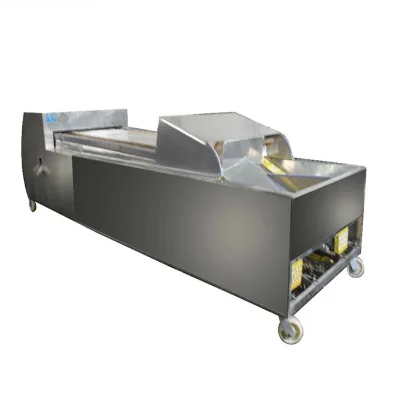
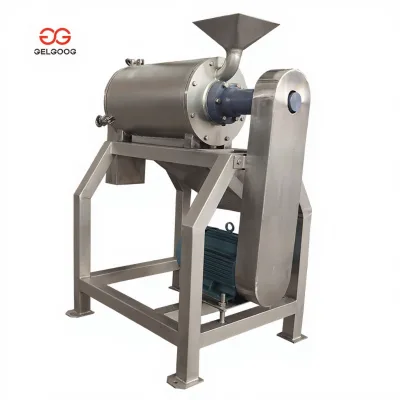
Current market listings reveal a diverse range of machinery, from compact electric pitters to large-scale industrial units. For instance, some observed products are explicitly branded for litchi, lychee, and longan applications, featuring capacities around 500kg/h and constructed from 304 stainless steel. These machines often include core components like bearings and gearboxes, with warranties extending to one year for the main unit and two years for core parts. Such specifications indicate a focus on durability and food-grade hygiene, essential for continuous operation in food and beverage factories.
Conversely, other listings highlight electric cherry pitters with significantly smaller footprints, such as 800x800x900 mm dimensions and 1.5 Kw power ratings. These units may operate on 220V power and feature PLC control panels, suggesting a higher degree of automation for smaller batches or different fruit types. The presence of varied model numbers, from Lf-Qh500 to Lf-P300, demonstrates that suppliers offer tiered solutions based on capacity, with some achieving grading capacities of up to 25,200 pieces per hour. Buyers must carefully match these observed signals to their specific processing needs.
Technical Specifications to Verify
When evaluating technical suitability, the power consumption and voltage compatibility are primary concerns. Machines may operate on 220V or 380V systems, with power ratings ranging from 1.5 Kw to 3 Kw. It is essential to verify that the electrical infrastructure at the installation site can support the required voltage and amperage without modification. Additionally, the physical dimensions of the equipment, such as the 3200x1400x1400 mm footprint for larger units, must fit within the designated factory space, considering both the machine’s operational envelope and maintenance access requirements.
Capacity and throughput metrics provide another layer of verification. Some units are rated for 500kg/h of processing material, while others boast higher piece-based capacities. Buyers should confirm whether the stated capacity refers to raw fruit input or finished product output, as this distinction impacts line balancing. Furthermore, the weight of the machinery, ranging from 400 KG to 550 KG, influences floor loading requirements and installation logistics. Ensuring that the machine’s structural integrity can handle the specified load is crucial for long-term operational stability.
Compliance and Safety Documentation
Food safety compliance is non-negotiable for fruit processing equipment. Buyers must verify that all contact surfaces are made from 304 stainless steel, which offers superior corrosion resistance and ease of cleaning compared to lower-grade materials. This material choice is critical for preventing contamination and ensuring that the equipment meets international food safety standards. Additionally, the presence of a machinery test report provides evidence that the unit has undergone rigorous quality checks before shipment, reducing the risk of early failure or performance issues.
Documentation regarding electrical safety and operational controls is equally important. Machines equipped with PLC control panels should come with detailed manuals outlining safety protocols and emergency stop procedures. Buyers should also inquire about the availability of after-sales service, particularly for overseas machinery support. Having engineers available to service equipment abroad ensures that technical issues can be resolved quickly, minimizing downtime and maintaining production continuity. This support structure is a key indicator of a supplier’s commitment to long-term customer satisfaction.
Cost Drivers and Commercial Terms
The price range for these machines is broad, reflecting variations in capacity, automation level, and customization options. Observed listings show prices from $0.76 to $50,000, indicating that simple manual or semi-automatic units are significantly cheaper than fully automated, high-capacity systems. Buyers should understand that higher prices often correlate with advanced features such as PLC controls, higher throughput rates, and more robust construction materials. It is important to request detailed quotations that break down costs for the base machine, customization fees, and any additional accessories or spare parts.
Minimum Order Quantities (MOQ) and packaging details also influence the total cost of ownership. While some suppliers may have low MOQs, others might require larger orders to justify production runs. Packaging is typically done in wooden cases, which adds to the shipping volume and cost. Buyers should calculate the total landed cost, including freight, insurance, and customs duties, to make an accurate comparison. Understanding the commercial terms, including payment schedules and warranty conditions, helps in budgeting and risk management throughout the procurement process.
Supplier Qualification and Quality Control
Supplier qualification begins with verifying the place of origin and manufacturing capabilities. Many observed products originate from industrial hubs in China, such as Shanghai, Henan, and Zhengzhou, which are known for their machinery manufacturing expertise. Buyers should assess the supplier’s production capacity and quality control processes to ensure consistency. Requesting a machinery test report and verifying the warranty terms for core components, such as bearings and gearboxes, provides insight into the supplier’s confidence in their product’s reliability.
After-sales service is a critical differentiator among suppliers. The availability of engineers for overseas service indicates a supplier’s ability to support international clients effectively. Buyers should inquire about the response time for technical support and the availability of spare parts. Additionally, checking the supplier’s track record and customer reviews can provide valuable insights into their reliability and professionalism. A supplier that offers comprehensive support and maintains high-quality standards is more likely to deliver a satisfactory long-term partnership.
Long-Term Procurement Checks
Long-term success depends on the machine’s ease of maintenance and the availability of replacement parts. Buyers should verify the warranty period for the entire machine and its core components, noting that some suppliers offer extended warranties for specific parts. Understanding the maintenance schedule and required tools is essential for minimizing downtime. Suppliers that provide detailed maintenance manuals and training resources enable buyers to perform routine checks and repairs independently, reducing reliance on external service calls.
Finally, buyers should consider the scalability and adaptability of the equipment. As production needs evolve, the ability to upgrade or customize the machine becomes valuable. Suppliers that offer modular designs or upgrade paths can help buyers extend the lifecycle of their investment. Regularly reviewing the machine’s performance against initial specifications ensures that it continues to meet production goals. Establishing a strong relationship with the supplier facilitates ongoing support and potential future collaborations, ensuring sustained operational efficiency.
FAQs
What is the capacity of the customized lychee longan fruit pitter?
The machine processes 500 kilograms of fruit per hour. This capacity supports continuous operation in food and beverage factories. The unit is designed for high throughput while maintaining fruit integrity. It handles litchi, lychee, and longan varieties effectively. The system ensures consistent output for commercial processing lines.
Can the customized lychee longan fruit pitter be customized?
Yes, customization is available for this machinery. Buyers can request specific modifications to meet production needs. The supplier offers engineering support for overseas service and installation. This ensures the equipment integrates smoothly into existing factory workflows. Custom options help optimize the peeling and nucleation process.
Which materials are used in the customized lychee longan fruit pitter?
The machine is constructed from 304 stainless steel. This material ensures durability and hygiene for food processing. The core components include bearings and a gearbox. These parts are selected for reliability and long service life. The design meets safety standards for industrial food equipment.
How much does the customized lychee longan fruit pitter weigh?
The single gross weight is 450 kilograms. The net weight is approximately 500 kilograms. This substantial weight ensures stability during high-speed operation. The packaging dimensions are 200 by 150 by 180 centimeters. Wooden cases are used for secure transportation and protection.
What warranty is provided for the customized lychee longan fruit pitter?
The machine comes with a one-year warranty. Core components such as the gearbox and bearings have a two-year warranty. A machinery test report is provided before shipment. This ensures quality control and operational readiness. After-sales service includes engineers available for overseas maintenance support.
What is the power consumption of the customized lychee longan fruit pitter?
The unit operates at 3 kilowatts of power. It supports voltage options of 220 volts or 380 volts. This flexibility allows installation in various electrical environments. The power rating ensures efficient processing of lychee and longan. The system is designed for stable performance in factory settings.